
Your child's dental health, finally clear
Create a free portal account to unlock a personalized dental timeline, clinician-reviewed guides, and your own resource library.
STEP 1 OF 3
Tell us about your child
We'll personalize everything to their age
SECTION
Teething & Development
"Why is my toddler grinding her teeth at night?"
Bruxism in toddlers is extremely common — up to 38% of children grind their teeth during sleep. Most cases resolve on their own by age 6 as the permanent teeth begin to emerge.
The most common causes are stress from developmental changes, ear pressure during illness, or simply the sensation of new teeth. Unless grinding is severe or causing jaw pain, no treatment is needed before age 5.
Tip: A relaxing bedtime routine — warm bath, quiet story — reduces stress-related grinding by up to 60%.

"In what order do baby teeth actually come in?"
Most children get their first tooth (lower central incisor) between 6–10 months. By age 3, all 20 primary teeth are typically in place, though every child's timeline is unique.
The sequence: lower front teeth first → upper front teeth → lateral incisors → first molars → canines → second molars. Being 2–3 months off the average is completely normal.
Tip: Sign up to get a personalized eruption chart emailed as a PDF — timed to your child's exact age.

SECTION
Cavity Prevention
"My 4-year-old has a cavity. Did I do something wrong?"
Absolutely not. Early childhood caries (ECC) affects 1 in 5 children under 5 in the US. The bacteria that cause cavities can transfer from caregivers, and certain foods pool in baby-tooth grooves differently than adult teeth.
Primary teeth have thinner enamel than permanent teeth, making them cavity-prone even with good brushing. Treatment is important — untreated cavities in baby teeth can shift spacing and affect incoming permanent teeth.
Tip: Brushing before bed matters more than any other brushing session. Saliva flow drops at night, so bacteria work unchecked for 8 hours.
SECTION
Fluoride Facts
"Is fluoride toothpaste safe for kids under 3?"
Yes — since 2014, the American Academy of Pediatric Dentistry recommends fluoride toothpaste as soon as the first tooth appears, using a rice-grain amount (under 3) or pea-sized amount (3–6).
The concern about swallowing was based on older high-fluoride formulations. Modern children's toothpaste at 1,000 ppm is safe at these tiny amounts. The protective benefit far outweighs the minimal ingestion risk.
Tip: Fluoride varnish applied at your child's checkup provides 6 months of extra protection — ask about it at your next visit.

SECTION
Emergency Guide
"My child knocked out a tooth. Do I go to the ER right now?"
It depends on whether it's a baby tooth or permanent tooth. Baby tooth: don't reimplant — call your dentist in the morning unless there's significant bleeding or injury to the gum. Permanent tooth: this is a 30-minute window emergency.
For a knocked-out permanent tooth: hold it by the crown (not root), rinse gently, place back in socket or store in milk, and get to a dentist within 30 minutes. Time is the single biggest factor in saving the tooth.
Save this number now: Our after-hours emergency line is available 24/7. Swollen gum at midnight? We'll tell you if it can wait.

SECTION
Sealants, Space Maintainers & Sedation
"What exactly is a dental sealant and does my 7-year-old need one?"
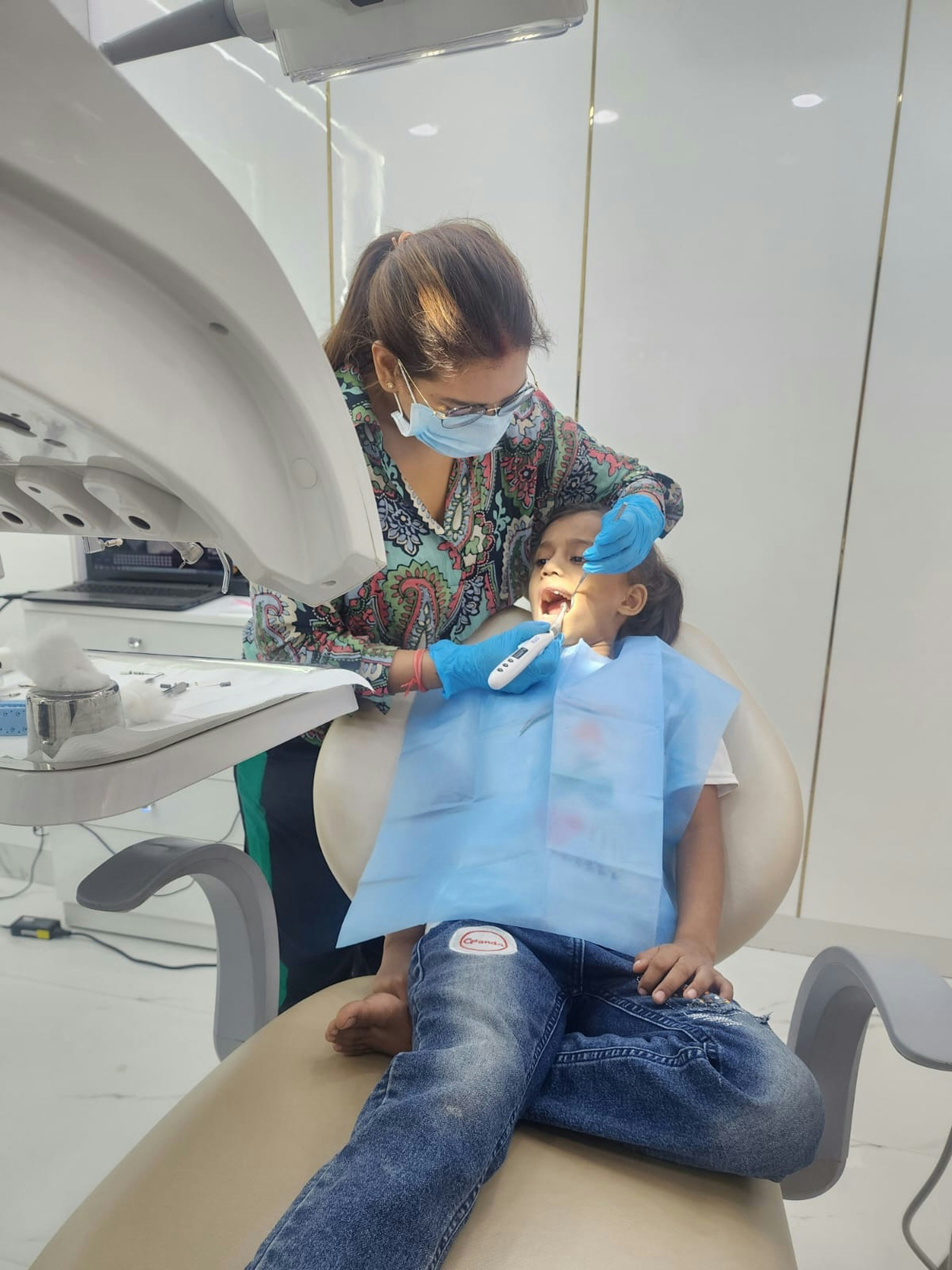
A sealant is a thin protective coating painted onto the chewing surfaces of back teeth. It fills the deep grooves where 80% of childhood cavities form. The application takes 5 minutes and is painless.
Studies show sealants reduce cavity risk in molars by 80% for up to 4 years. The ADA recommends them as soon as the first permanent molars come in (around age 6–7). Insurance typically covers them for children under 14.
Tip: Ask about sealants at the 6–7 year checkup — waiting costs nothing, but delaying past the first cavity means the groove is already compromised.
Unlock Your Child's Dental Timeline
Enter your child's age and we'll email a personalized tooth eruption chart — when to expect each tooth, when to schedule checkups, and what milestones to watch for.
- Personalized eruption schedule (PDF)
- Age-specific cavity risk reminders
- When to start orthodontic screening
- First-visit prep checklist
2,847 parents received their timeline this month
📚 PARENT LIBRARY
Browse All Guides
No sign-up required · Save guides with a free account
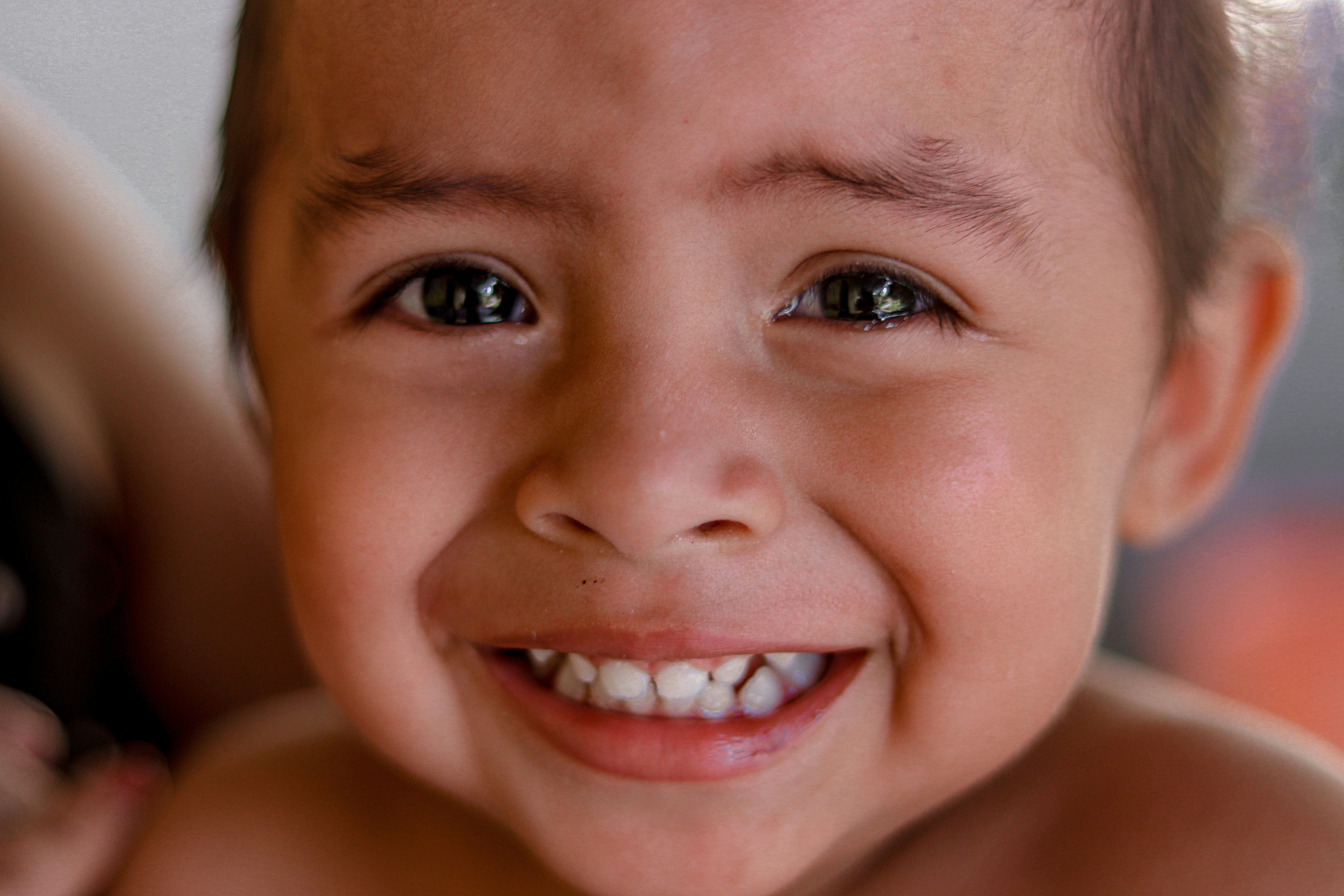
The Complete Baby Teeth Order Chart
A visual month-by-month guide to which teeth emerge when — with normal variation ranges so you stop worrying at 3am.

Sugar & Teeth: What Parents Get Wrong
It's not just candy. Learn which "healthy" foods — raisins, juice pouches, granola bars — are the real culprits.
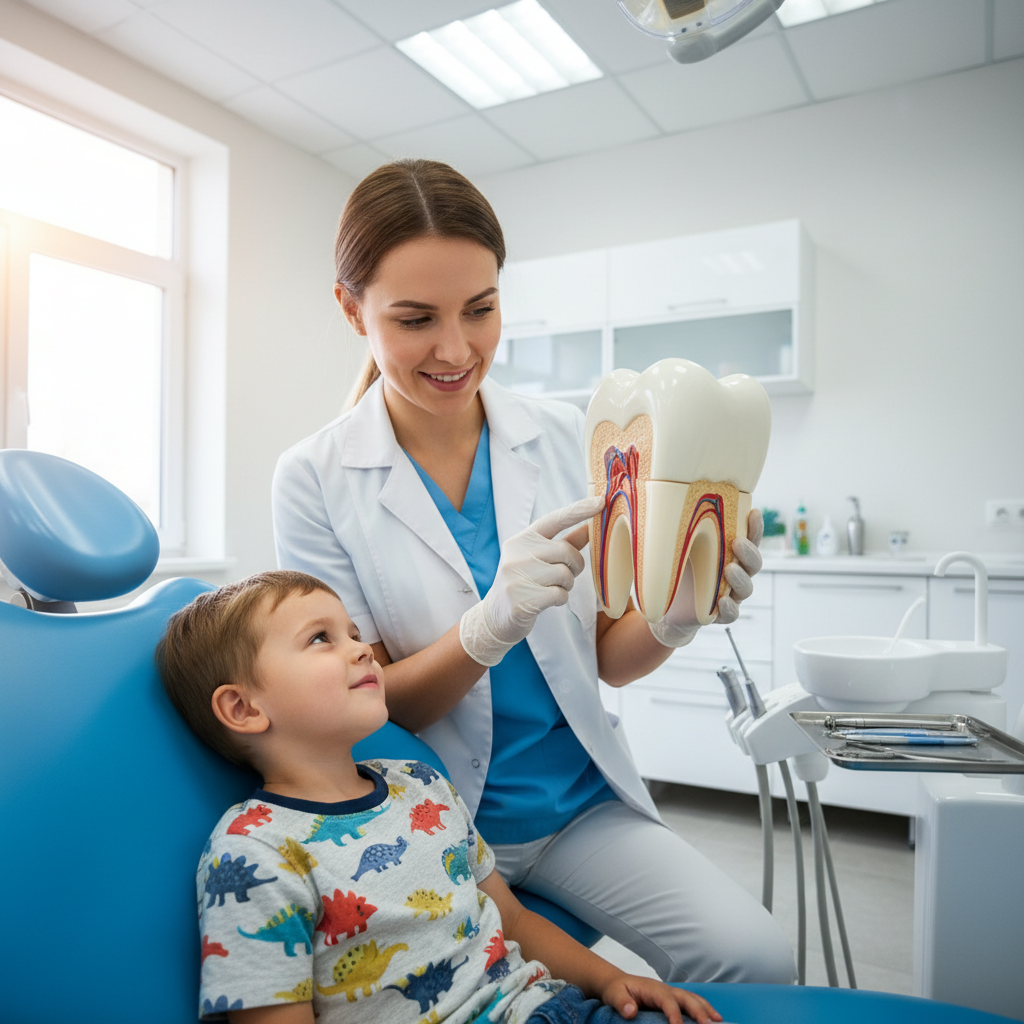
First Dental Visit: What to Say to Your Child
Scripts and strategies from pediatric dentists on framing the first visit so it stays positive — forever.
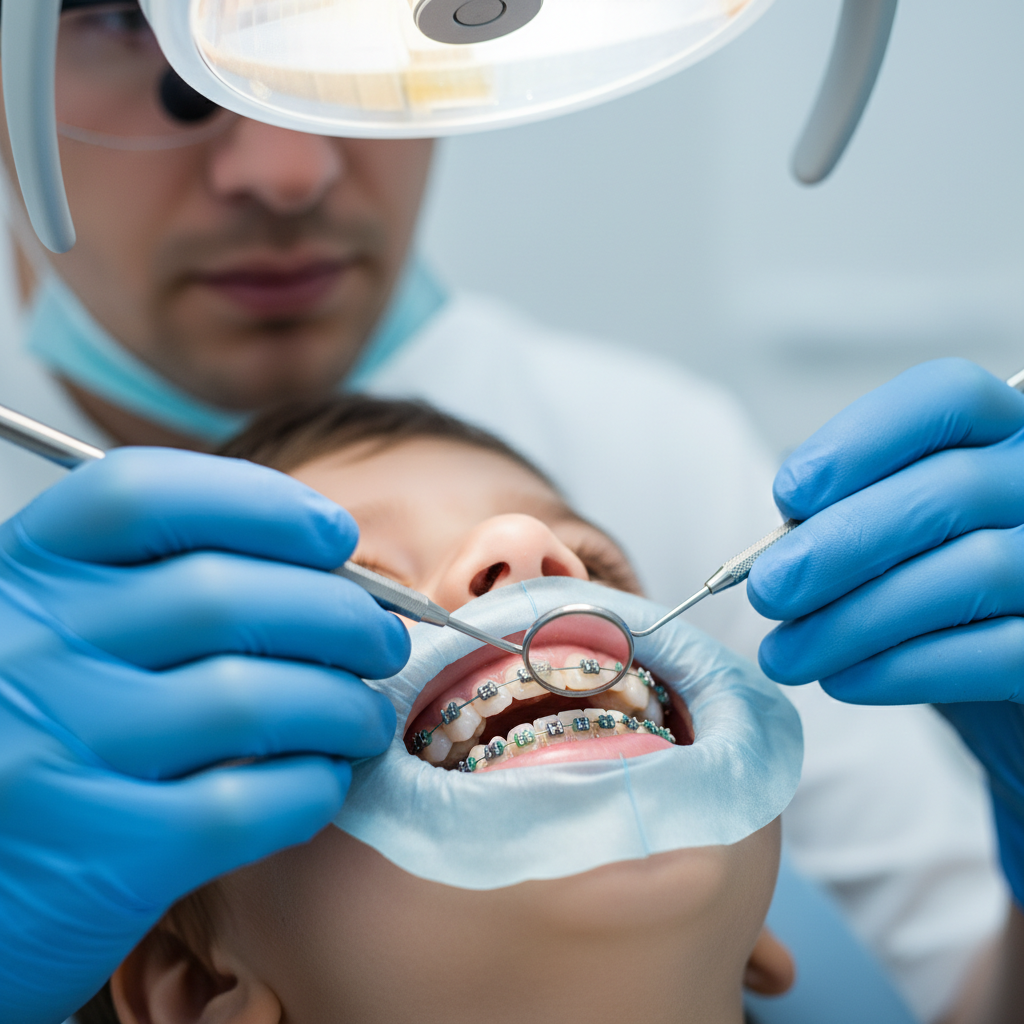
Orthodontic Referral: When & Why
The American Association of Orthodontists says age 7. Here's exactly what they're looking for and what happens next.

Sedation Options Explained Plainly
Nitrous oxide, oral sedation, IV sedation — the differences, safety records, and when each is appropriate for children.

Space Maintainers: Do We Really Need One?
When a baby tooth is lost early, this small device prevents the teeth from drifting. When it's necessary — and when it isn't.
4,200+
Families served
98.4%
Parent satisfaction
12 yrs
Practice experience
24/7
Emergency line
"My daughter used to cry at the dentist. After reading the prep guide here, she walked in calm and actually waved goodbye to the hygienist."
Melissa R.
Mom of a 5-year-old
"Checked the emergency guide at 11pm when my son knocked his tooth. The guidance was exactly right — knew to call in the morning, not rush to the ER."
David K.
Dad of a 7-year-old
"The fluoride article finally settled the debate between me and my husband. Clear, sourced, no scare tactics. We trust this portal."
Priya N.
First-time mom